0
Cart
-
Car fit guarantee on every model
-
Free deliveries over 100€*
-
365 day returns


In the event of a crash, a rear-facing seat spreads the force of the impact more evenly across the child's body, particularly over the back, which is the strongest part of a young child's body.

Children's heads are proportionally larger than adults' making them more vunerable to severe neck injuries. Rear-facing seats better support a child's head, neck, and spine during a collision.

A 3-point seat belt can injure a child's underdeveloped pelvis and slip, concentrating force on the stomach. A rear-facing car seat has a 5-point harness that prevents the 'submarining' effect

A child's neck is especially vulnerable due to its incomplete development and it faces extra strain from their proportionally heavier head in a collision. rear-facing car seats provide better support for this fragile area.

Most car accidents involve a frontal impact, but side impact collions are particulary dangerous. Rear-facing car seats designs are more effective at shielding the head and torso.
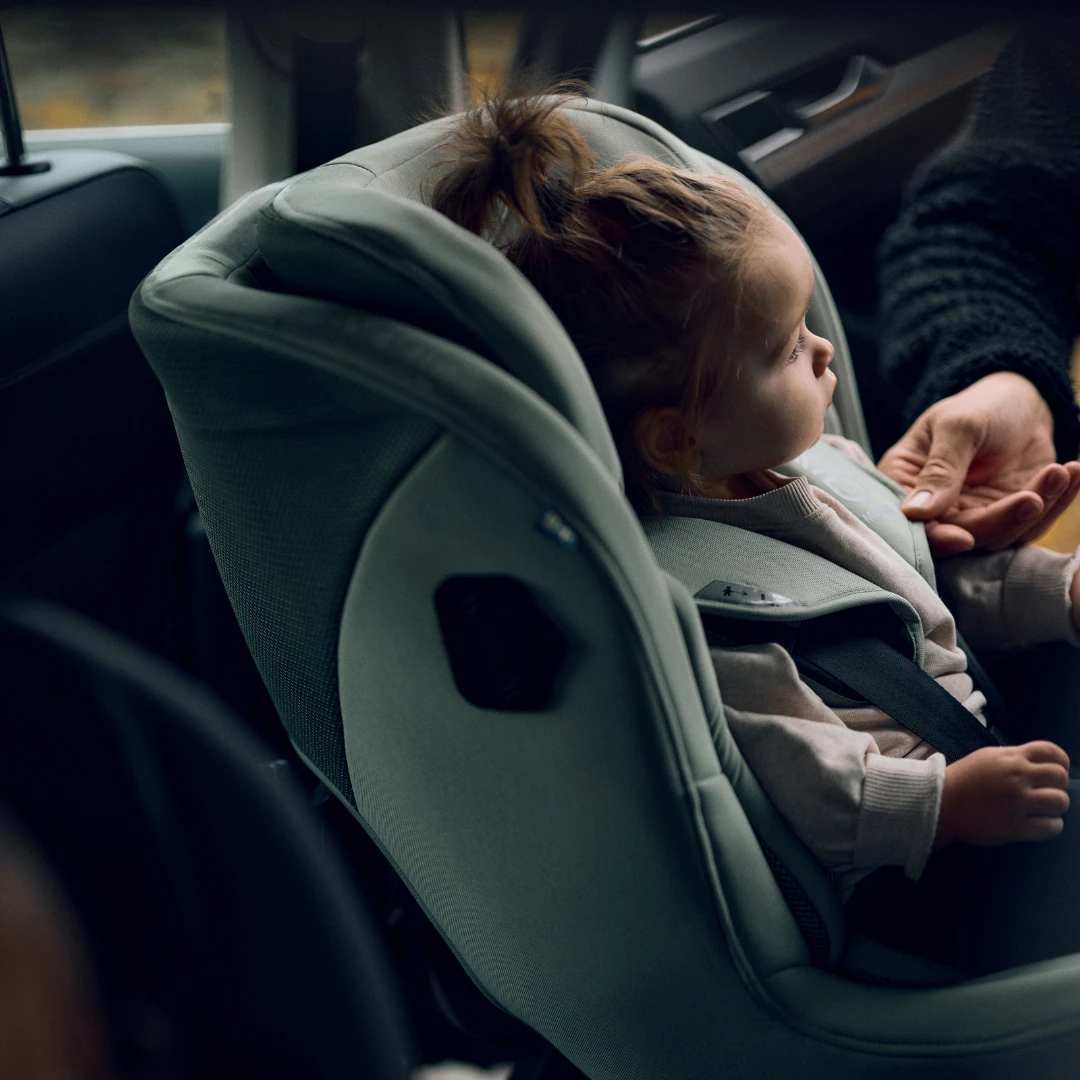
Our article examines parents’ knowledge and behaviors in Sweden and the UK, highlighting key differences in laws, recommendations, and awareness. Despite progress, challenges remain—especially in the UK, where many children are turned forward-facing too soon. Read the full article to learn more!
Fatal injur. per million children (0-4y) GER
Fatal injur. per million children (0-4y) SWE
avg. age to turn forward-facing in EU
avg. age of forward facing in SWE
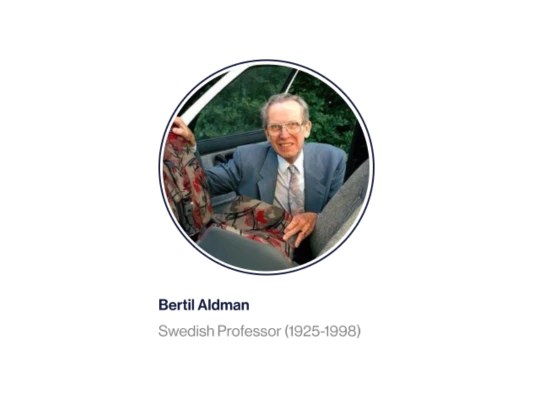
Inspired by astronauts, the swedes invented rear-facing seat technology all the way back in 1963
Bertil Aldman (1925–1998) was a Swedish professor renowned for inventing rear-facing child car seats, revolutionizing vehicle safety for children. Initially a medical doctor, Aldman shifted his focus to preventing injuries in car crashes by studying their biomechanics.
Inspired by astronauts’ rearward seating during launches, Aldman in the 1960s applied this idea to child car seats, arguing it offered better protection in collisions, especially for those under two, by more evenly distributing crash forces and reducing injury risks to vital areas like the head, neck, and spine.
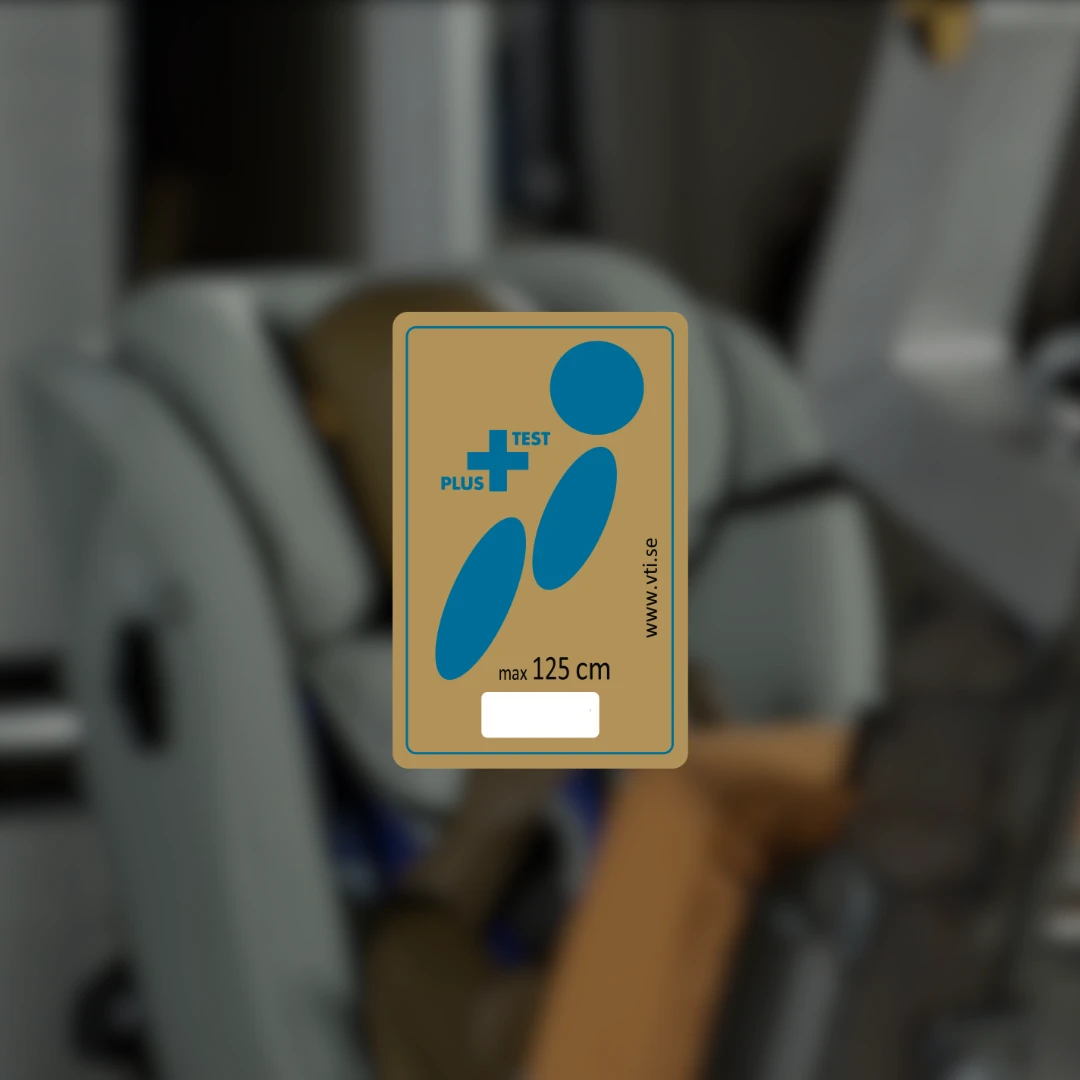
Sweden created its own crash test to better reflect real world conditions with shorter breaking distances and tougher limits on neck forces. As a consequence only rear-facing car seats can pass it.

ADAC is the German Motor Association Club and they test a big proportion of the seats that are sold in Europe. The ADAC test uses higher speed than the certification test as well as customer usability reviews, and chemical textile testing to evaluate the car seats.
The R129 Certification test is compulsory and must be passed by all car seats sold in the European Union. The R129 Regiment certification is also called iSize and was recently updated from the older ECE r44 regiment.


BE SEAT SAVVY

All car seats sold in our e-commerce are delivered with a 14 day car-fit guarantee promise. If the seat does not fit in your car, we will take it back at no extra cost.
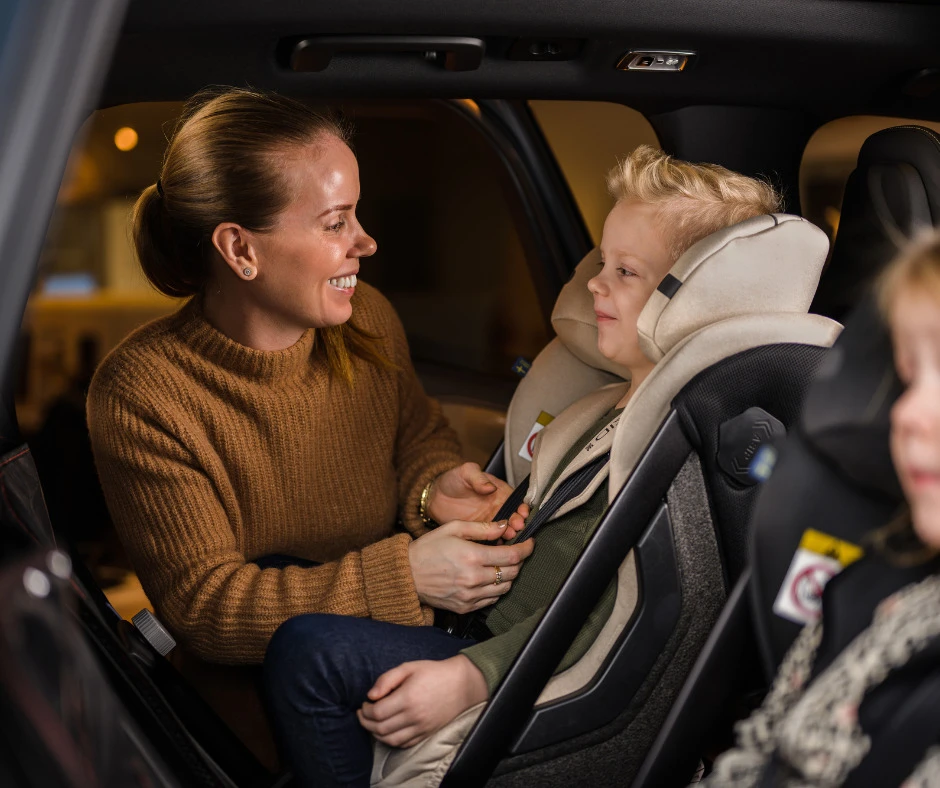
Our car seats are designed to be easy to install correctly. However, should you still feel uncertain and want a second opinion – simply book a free video installation support with our experts.
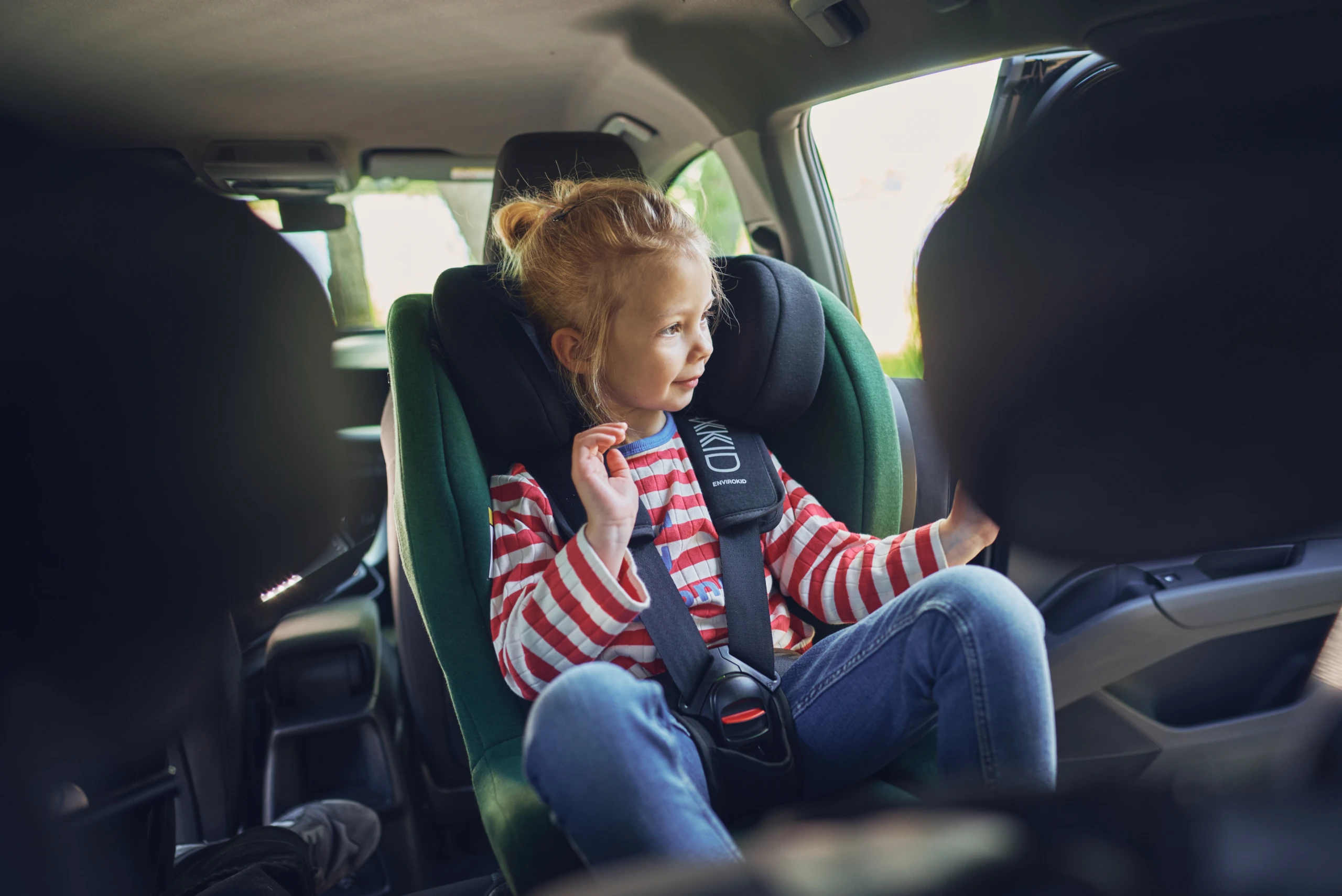
The rear seat in a car, either behind the front passenger seat or the middle seat, offers the best protection for a child. Check our vehicle list to view where you can position the car seat in your car.
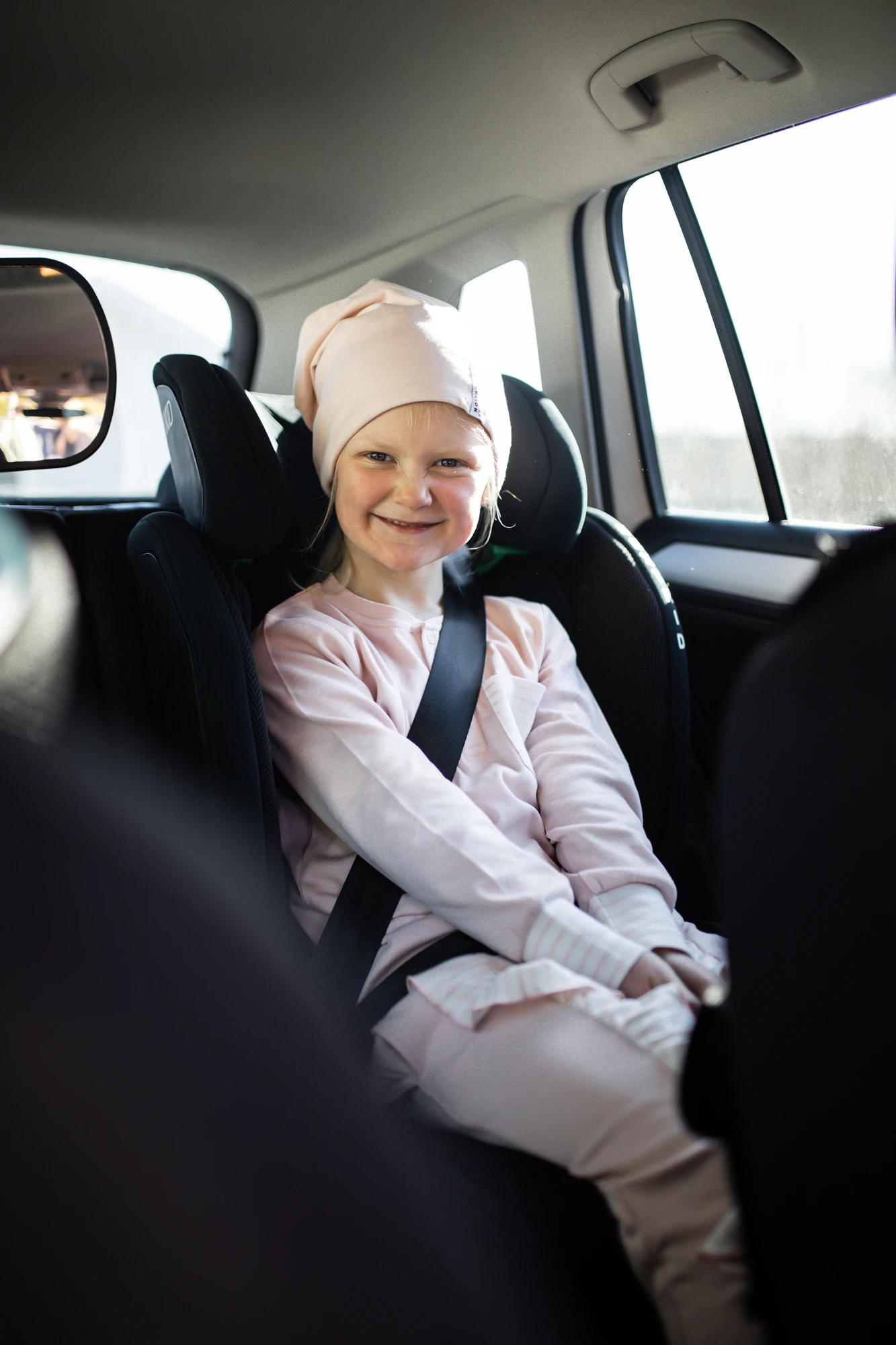
As research shows that rear-facing is up to 5 times safer than forward-facing, we encourage you to keep your child rear-facing for as long as possible, preferably all the way up to 125 cm (6-7 years).