0
Cart
Car fit guarantee on every model
Free deliveries over 100€
Price Match Promise
Sep 2024
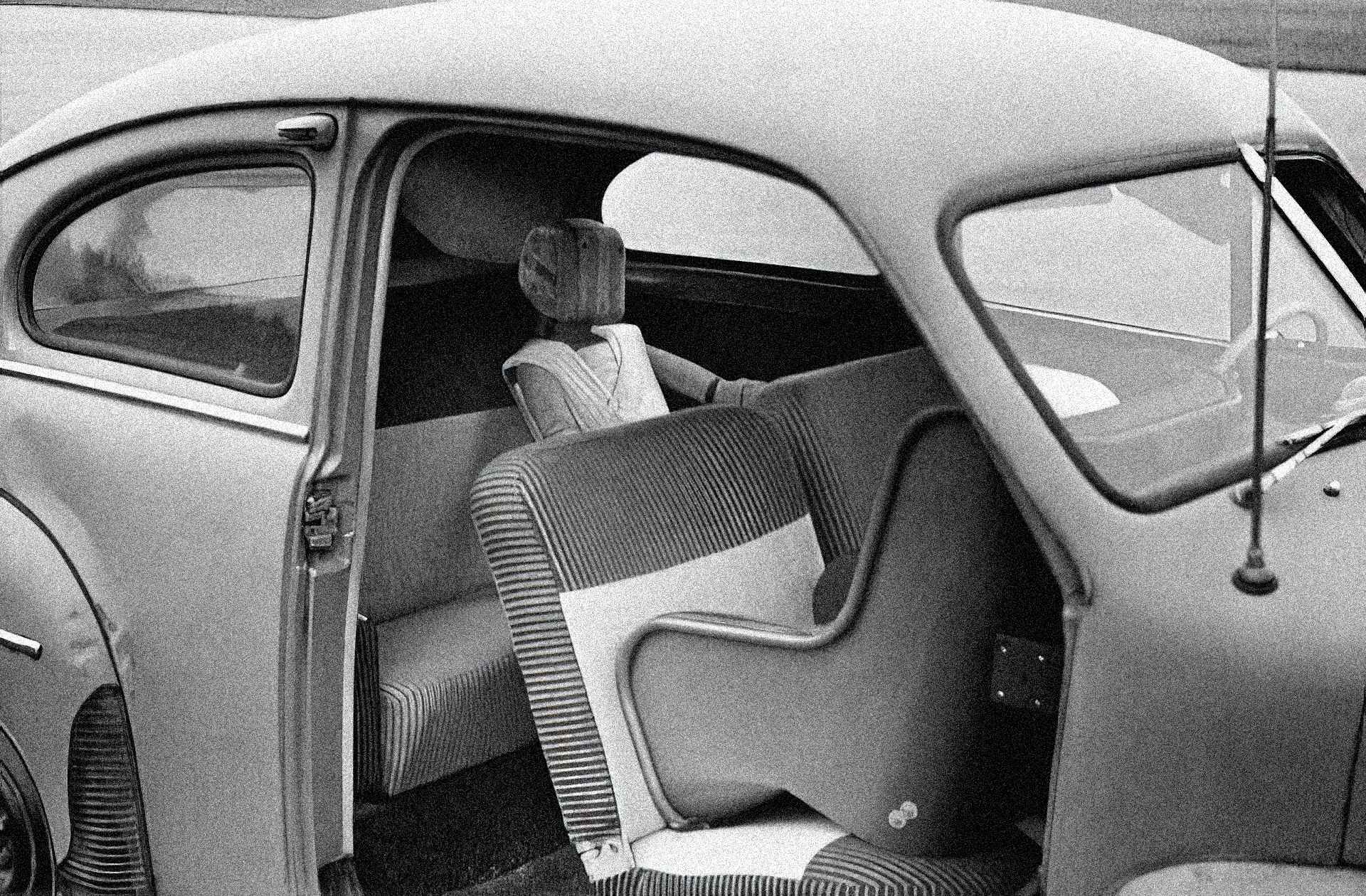
In 1972, an innovation was introduced that revolutionised child safety on Swedish roads – the rear-facing car seat. In the 1960s, an average of 16 people per 100,000 died in traffic accidents in Sweden, compared to fewer than 3 per 100,000 today. This success is often attributed to innovations like the three-point seatbelt and airbags, which have become global standards in all cars. However, the rear-facing car seat, which has also played a significant role in this progress, has not seen the same widespread adoption outside Sweden. Why might this be?
Children’s anatomy remains the same today as it did back then.
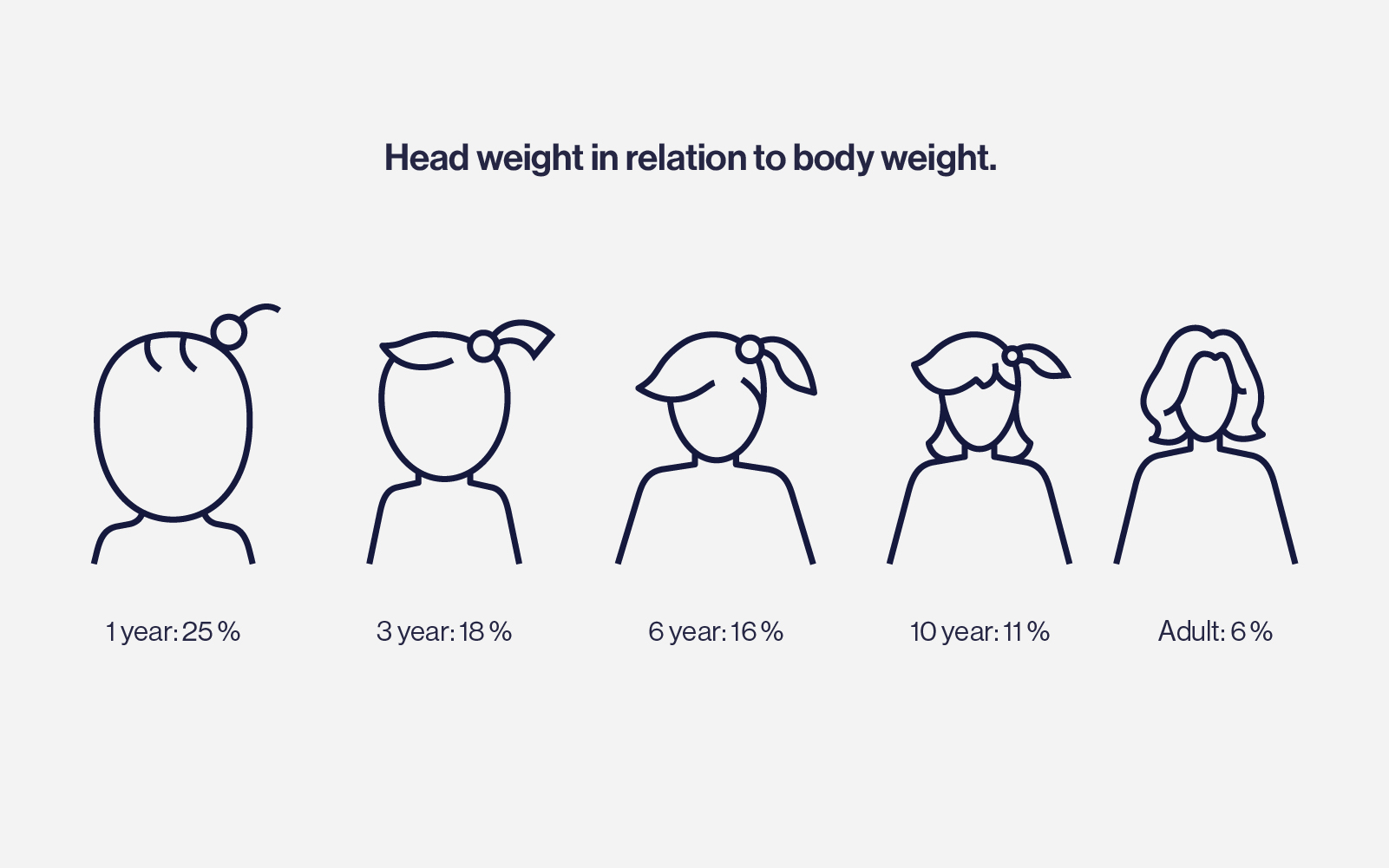
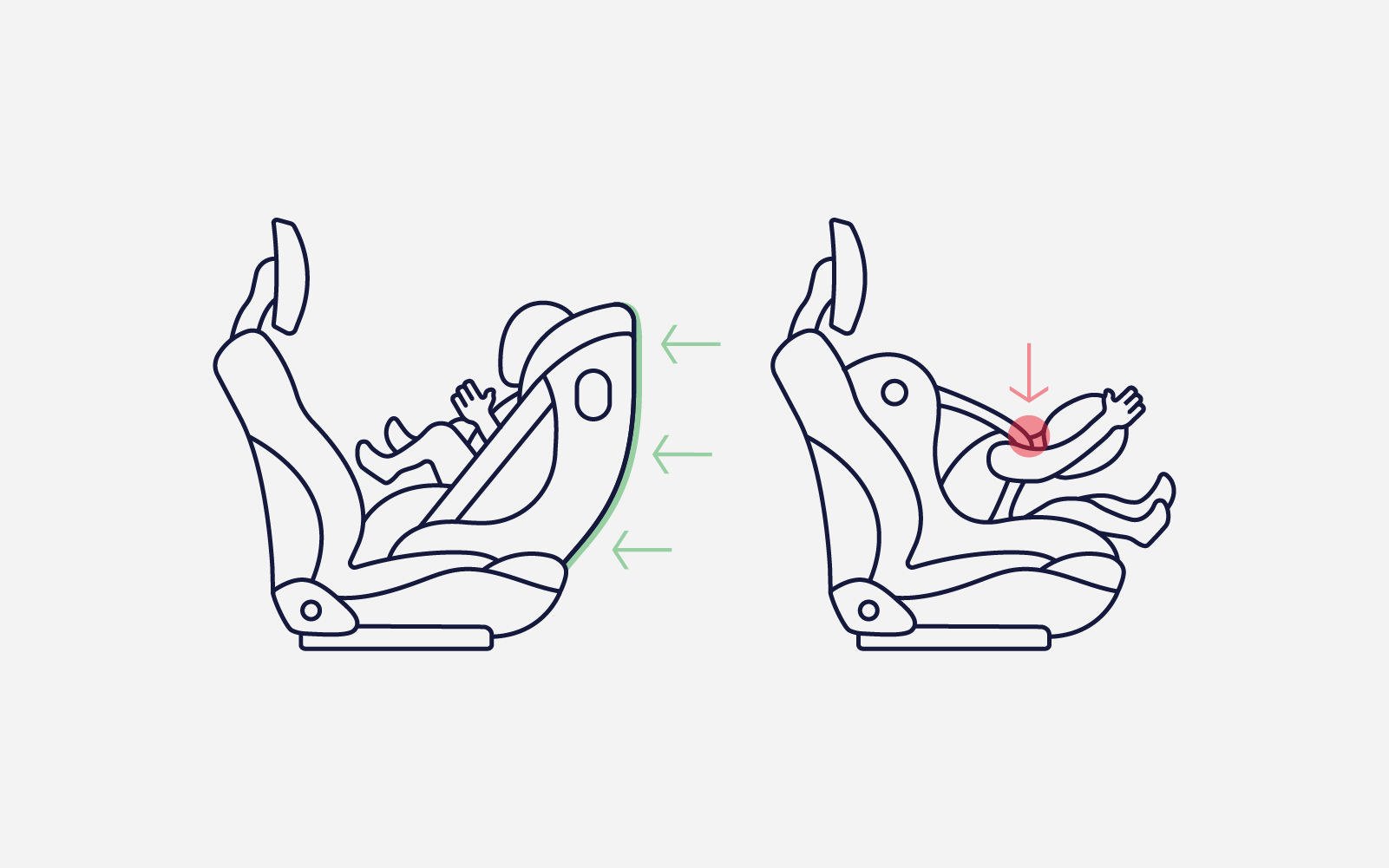
Despite Sweden’s international recognition for road safety, many children in other countries continue to travel in forward-facing car seats, much like children did in Sweden in the 1960s and early 70s. Why is this? When children travel in forward-facing seats, the risk of life-threatening injuries is just as high now as it was in the 1960s, even though cars are safer today. The issue lies in the crash forces and a child’s developing muscles and skeletons. A child’s head accounts for 25% of their total body weight. In a crash, a child’s neck in a forward-facing seat is exposed to five times higher crash forces than in a rear-facing seat, increasing the risk of life-threatening injuries. By travelling rear-facing, your child is using the most up to date and safest method, which is the single most significant factor for child road safety and has revolutionised child safety in Sweden.
Knowledge is key to making informed decisions that save lives.
Sweden’s low accident statistics are based on their access to safety knowledge, which leads parents to make informed choices. For over 60 years, Swedish parents have been informed about road safety, and rear-facing car seats have become the standard. Safety is deeply rooted in Swedish society, and the results are evident in the comparative crash statistics between countries.
Worrying statistics from Europe.
Forward-facing seats dominate 80–90% of the market in Europe, and each day, a child is lost on European roads. How many of these lives could have been saved if rear-facing seats were the standard?
Safety through rear-facing car seats.
We now know that the biggest safety difference between forward-facing and rear-facing car seats lies in how crash forces are distributed. It’s also worth noting that rear-facing car seats have evolved significantly in recent years. Today, seats are available that can be used from birth up to the age of seven, making them a long-term, economically and environmentally sustainable choice, as there’s no need to change the seat as a child grows. Making rear-facing car seats a global standard could revolutionise child road safety, just like the three-point seatbelt.
Gain a deeper understanding of rear-facing car seats by reading “Why Rear-Facing is Safer”.
International cooperation is required.
To reverse the negative trend and support rear-facing seats as the new global standard, the right information must be disseminated, and international cooperation is essential. One example of a company working towards this is the Swedish car seat manufacturer Axkid, whose goal is to make rear-facing car seats available to more parents worldwide and to spread knowledge of the safety benefits.
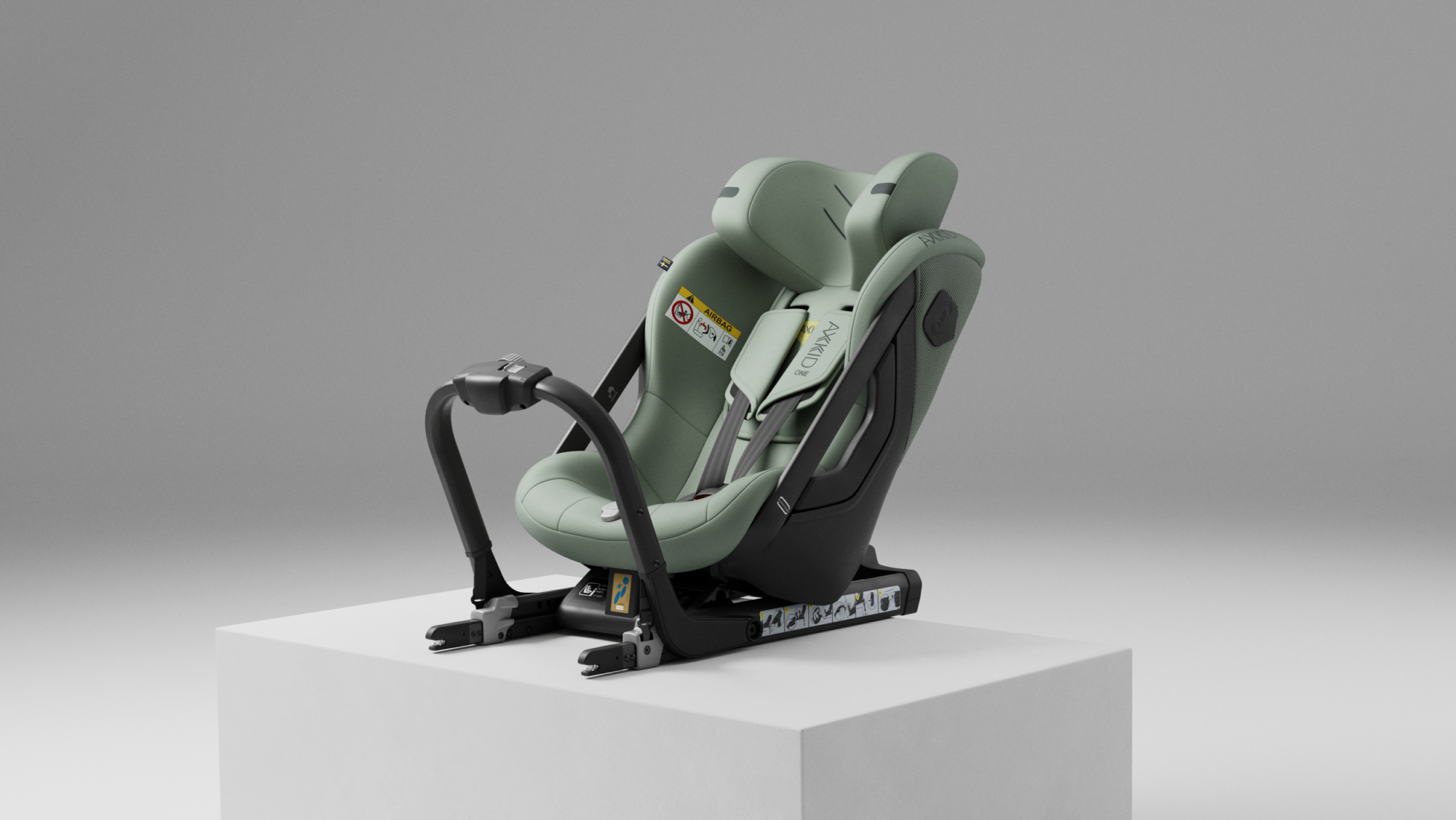
Axkid’s latest product, the Axkid One 3, is a rear-facing seat that can be used from birth up to seven years of age. The seat has not only won awards for being the safest car seat but also for its comfort and ease of use. Since its launch, the Axkid One 3 has been warmly received, especially in the UK, where the use of rear-facing seats have increased dramatically in recent years.
A global behavioural change is needed.
Sweden has led the way in child road safety, and we’re already seeing the positive impact of rear-facing car seats in countries like the UK, Germany, and France. However, the transition to rear-facing seats needs to happen much more quickly, and the period of rear-facing travel must be extended. Axkid recommends rear-facing travel from birth to seven years, and a forward-facing seat from seven years onwards, for as long as the child needs it.
By understanding the safety benefits and choosing a rear-facing car seat, like the Axkid One 3, we can provide children with a safe and secure car journey during the first seven years of their lives – no matter where in the world we are. Imagine if rear-facing car seats one day became the new global standard for transporting children. That would be a wonderful thing to witness, and more children would have the chance to live long and happy lives.


