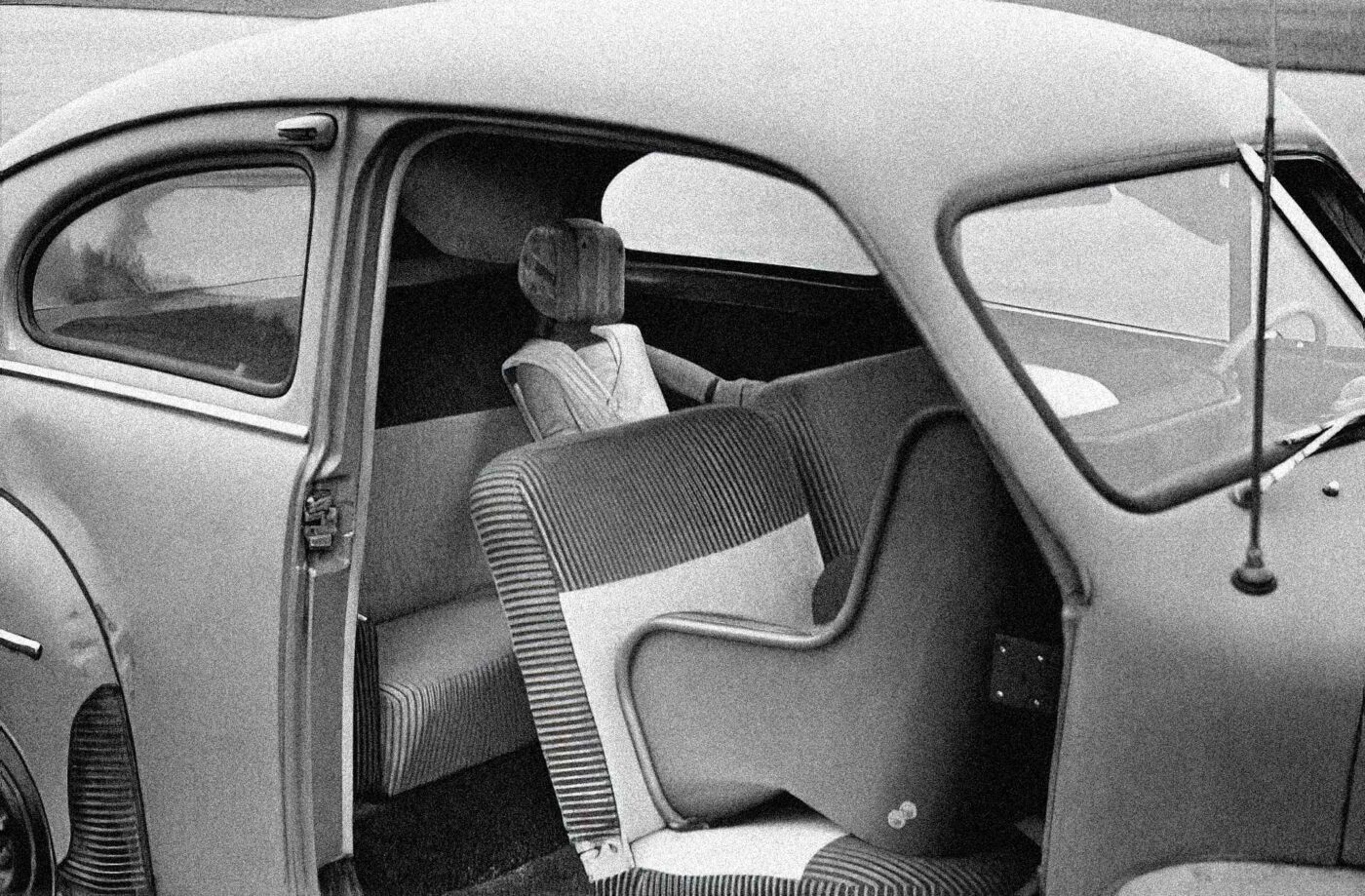
Minikid 4 – Tested Beyond Standards
With over 15 years of innovation, the Minikid has been perfected through real customer feedback, rigorous testing and continuous refinement. Tested with the largest crash test dummies and real-life simulations, it exceeds industry standards to ensure maximum safety.
Extended Rear-facing safety: Beyond the average growth curve
Our dedication to rear-facing safety is rooted in the undeniable fact that a rear-facing car seat is up to five times safer compared to forward-facing.
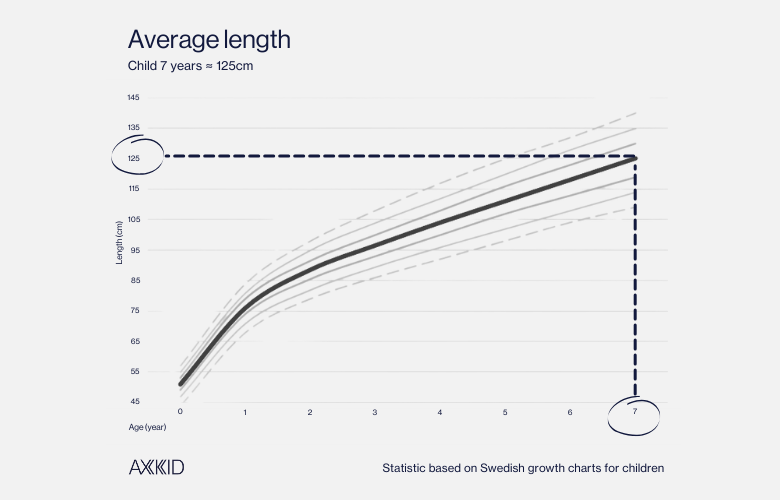
We analysed typical child growth curves and found that the average 7-year-old boy stands at 125cm and weighs approximately 23kg. However, we know that every child grows differently and there are many children who weigh more than 23 kg at 7-years-old. That’s why we designed the Minikid 4, to raise the bar of extended rear-facing car seats to accommodate children weighing up to 36kg to ensure that as many families as possible can benefit from extended rear-facing safety for as long as possible.
Because safe enough simply isn’t safe enough
To address this, our car seats undergo a comprehensive, multi-level testing process to ensure the highest safety standards. Starting with the mandatory ECE R129 certification, we progress through rigorous assessments like ADAC, the Swedish Plus Test, and real-world automotive trials, with final checks in Axkid’s own in-house testing. This approach reflects our commitment to providing safe, reliable car seats for every journey.

Meeting and exceeding safety standards
Meeting the regulatory safety standards was just the starting point for the Minikid 4. We go above and beyond by engaging in both voluntary third-party testing and our own stringent internal tests to ensure the highest level of safety for your child.
Car Seat Level of Testing:
All car seats must pass ECE R129 certification before being sold within the EU. Focuses on ensuring basic crash protection, side-impact testing and height-based fit for correct use.
Fact: Some brands settle here, for them this is “safe enough”. At Axkid, this is just the basic level, and we take safety to the next level.
Not all seats are equal. Stiftung Warentest and ADAC proves it. The commonly known ADAC testing is Europe’s most rigorous independent crash test. Together with the organisation Stiftung Warentest they evaluate safety and crash performance, handling and ergonomics for daily use and material safety, ensuring no harmful substances occur in the material of the car seat.
Fact: Axkid car seats consistently rank among the safest in ADAC tests.
The world’s toughest crash test – only rear-facing seats qualify. It has stricter criteria for impact violence and neck forces, making it incredibly challenging for a car seat to pass. The Swedish Plus test includes an extreme frontal impact test, focuses on deadly neck forces and is so difficult that forward-facing seats would fail.
Fact: Axkid proudly offers multiple car seats that have passed this elite test.
We test like car manufacturers do with real-world compatibility testing to ensure integration with automotive safety systems such as airbags and seatbelt pretensioners
for optimal compatibility with the cars safety system. This phase includes real-world crash scenarios and testing beyond legal requirements.
Fact: Car manufacturers test their cars extensively—shouldn’t your child’s car seat be tested the same way?
When ‘safe enough’ isn’t enough. Axkid’s test protocols go beyond industry standards to ensure maximum safety for your child. We use larger crash dummies and conduct misuse and cycle tests. Axkid tests for:
Stronger crash forces than regulations require
Larger crash test dummies to simulate real-life scenarios
Misuse testing, ensuring safety holds up even with an imperfect installation
Fact: Car seats must work in real life, not just in perfect lab conditions.
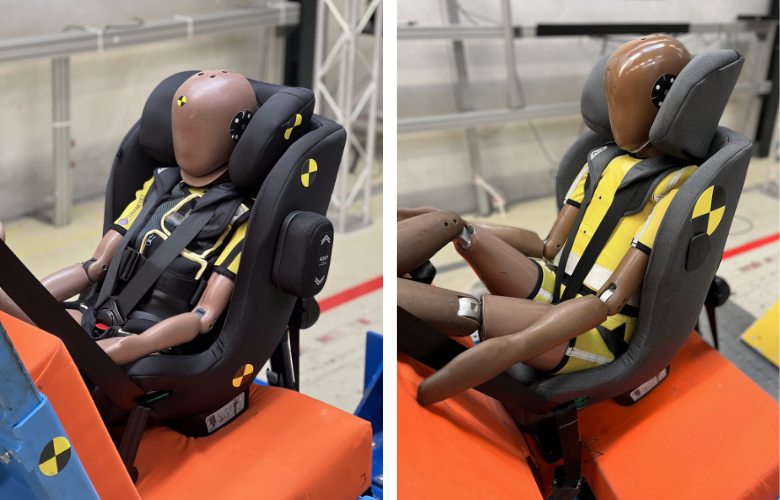
Tested beyond and above standards.
Crash Test with Q6 and Weighted Vest
For standard homologation testing, a Q6 dummy, representing an average 6-year-old child weighing 23kg, is typically used. We decided to extend our safety measures by adding a weighted vest to the dummy, increasing its weight to 36kg, and conducting additional impact tests. AND the seat passed the test using the same restricted limits as in an approval test!
Crash Test with Q10
The performance and safety of the car seat is also verified with a so called Q10 dummy. This dummy represents in size an average 10-year-old child and weighs 36kg. The increased back length and weight means the Q10 dummy covers all children up to 125 cm, no matter what growth curve they follow. Using the Q10 dummy in impact tests and making sure the results from the dummy are within limits confirms that children up to 125 cm can, without doubt, stay rear faced for longer in the Minikid 4.

In summary, the Axkid Minikid 4 doesn’t just meet safety standards—it surpasses them. While the 36kg weight limit is our choice, rest assured we have rigorously tested and confirmed its safety. Our commitment to transparency aims to give you unparalleled peace of mind. We hope these insights help you make the most informed decision for your child’s safety on the road.
Your child’s safety is our priority. Because just like you, we’re parents too.