
Sustainability work at Axkid, my reflections on progress and challenges
2024 is long over, the sustainability report is published, and the summer vacation has provided some time for reflection. I thought I could share some of this with you. 2024 was a year that truly tested our commitment to sustainability—and challenged my own thinking as well. As I look back, I feel both energized by the progress we’ve made and humbled by just how much work lies ahead.
Getting clearer on our impact
One of my biggest takeaways this year is how powerful it is to have the right tools for measuring our environmental footprint. In the past, it often felt like we were finding our way in the dark, but this year we completed our first product climate assessments using the EPD (Environmental Product Declaration) methodology. For anyone unfamiliar, EPD is a transparent, lifecycle-based method for understanding and comparing product impacts.
With this method, we finally have a reliable way to track emissions across all our products. For example, we can now put real numbers on the difference between using virgin and recycled plastics—a level of detail that helps us make smarter choices.
It turns out that around 90% of our carbon footprint is tied directly to our products: the materials, manufacturing, and components. Transport makes up 7%, and our company’s own day-to-day operations account for the last 3%. Having this clarity means our focus is now exactly where it needs to be—on product innovation.
We chose 2024 as our baseline year because, frankly, our data quality is finally good enough. This gives us a solid foundation for the future, and I feel more confident than ever in the numbers we’re reporting and the changes we’re working toward.
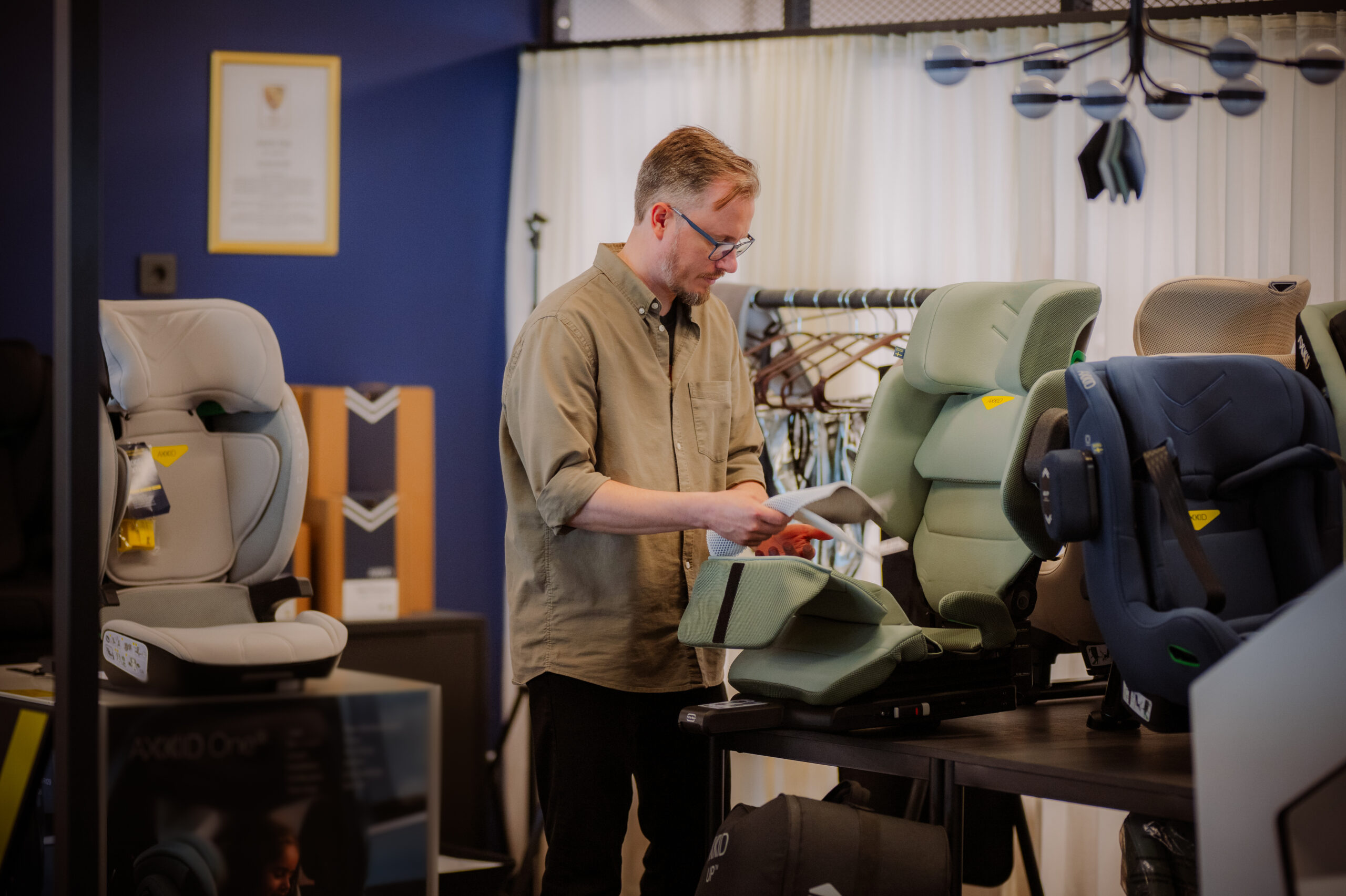
Some reflections on our calculations
Our emissions calculations haven’t been externally verified yet, and there may still be some gaps. But this is part of growing up as a company. We’re figuring out where we can do better and are committed to increasing the precision over time.
Using more sustainable materials is a natural direction, but it’s not always straightforward. Our products undergo rigorous safety testing, so change happens slowly. Since some production is done externally, our suppliers are sometimes unprepared for new materials or struggle to find cost-effective alternatives. These are real obstacles, but I see them as prompts to collaborate and to innovate, not as roadblocks.
Balancing growth and climate goals
Here’s something I’ve wrestled with this year: growth is good news for the company, but it brings complexity to our climate ambitions. In 2024, we grew by 33%. That’s something to celebrate, but it also meant our absolute emissions rose by 30%. On the surface, it looks like we’re going in the wrong direction, but if you dig deeper, our emissions intensity (emissions per SEK earned) actually went down. That tells me our interventions are starting to work, even if the big numbers haven’t dropped yet.
Reflecting on goal setting
We are still a bit away form an SBTi alignment and formalized goal on emissions, but with that said, 2024 is the first time we have the data needed to set meaningful goals, and we’re working on bringing everyone along for the ride. Getting all departments engaged takes patience, but it’s worth it for lasting change.
The tension between expanding our business and reducing our climate impact is real and complex. To make real progress, we need plans that allow for growth while also lowering emissions. We’re investing in circular models and tracking product CO2 footprints, but real change takes time, and it may be years before we see the results. This will be a major area of focus in 2025.
Collaborating with suppliers
It’s become clear this year that our supply chain plays a huge role in our emissions story. Right now, we estimate that 19% of the power used in our supply chain is renewable. That’s a start, but there’s a lot of room for improvement.
Insights on influence
One of the trickiest parts is simply not having detailed enough data about renewable energy use. We’re committed to changing this in 2025, but progress isn’t only in our hands. Suppliers control their own investments in renewable energy, and our influence is limited. Still, I believe that building stronger partnerships and sharing our goals openly can help move the needle.
Social sustainability
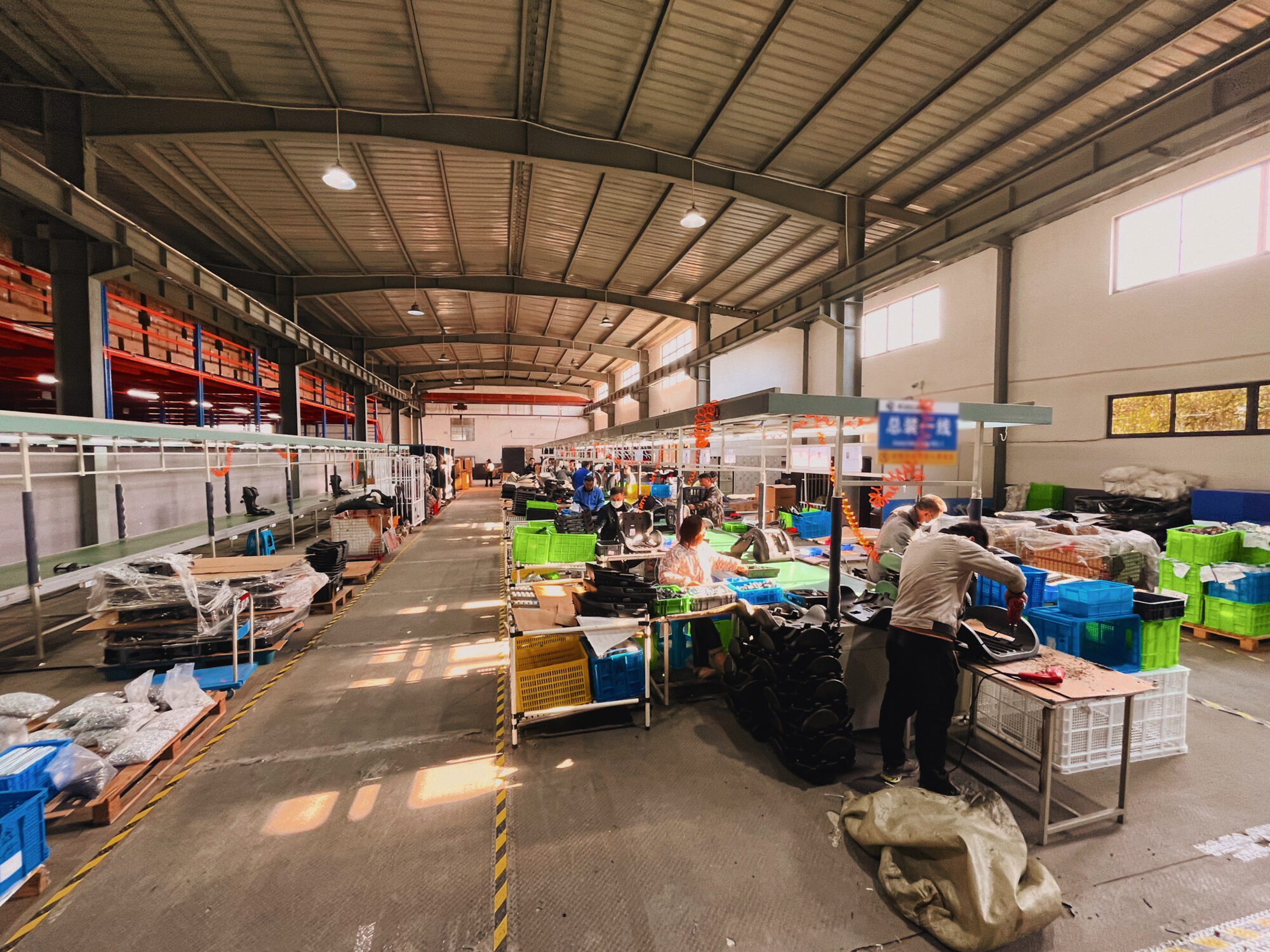
Sustainability is about more than just the environment—it’s also about people. Our car seats are assembled outside Shanghai, and components come from various subcontractors in the region.
To better understand labour conditions, we’ve adopted the BSCI (Business Social Compliance Initiative) framework—an international standard for assessing social sustainability for a handful of suppliers whereas the remaining suppliers are assessed through an internally developed self assessment questionnaire.
The overall result showed we’re somewhere in the middle: we saw positive results in workplace safety, but challenges around working hours and social insurance persist.
In general, overtime is more common than we expected. Many workers have moved from rural areas to cities, leaving families behind. For them, overtime isn’t just extra pay—it’s a way to support those back home. This isn’t unique to our supply chain. It’s a widespread pattern in China, shaped by economic realities beyond our control. As a relatively small customer, our leverage is limited.
From a Swedish standpoint, it’s easy to view this through our own lens of labour rights and work–life balance. But to make progress, we need to understand the context. We also learned that social insurance works differently in China compared to Europe, something that stood out in our recent audits.
These differences matter, and we’re working with stakeholders to find solutions that respect both improved conditions and workers’ needs.
Reflections on transparency
While we use BSCI for some suppliers, most still report through our own self-developed questionnaire. I’ll admit, this data isn’t perfect, we can’t verify every response. The big picture suggests low risks for child labour, forced labour, and safety issues, but there are concerns about transparency and completeness. It’s complicated and time consuming for a small organization, for next year, we plan to increase third-party audits to get clearer, more reliable data.
Looking Forward
If 2024 has taught me anything, it’s that progress in sustainability is rarely a straight line. This year gave us better tools, deeper insight, and a much clearer sense of direction. But it also reminded me that the journey is ongoing. It’s not about ticking off boxes, it’s about showing up, adapting, and being open about where we’re succeeding and where we’re stuck.
There’s no denying the challenges ahead. But our mission—to keep children safe, now and in the future—keeps us moving forward. I’m excited to keep learning and to work with others, both inside and outside our industry, who share the same drive for positive change.
Johan Andersson
Sustainability Manager, Axkid


