0
Cart
-
Car fit guarantee on every model
-
Free deliveries over £50*
-
Price Match Promise
Aug 2018
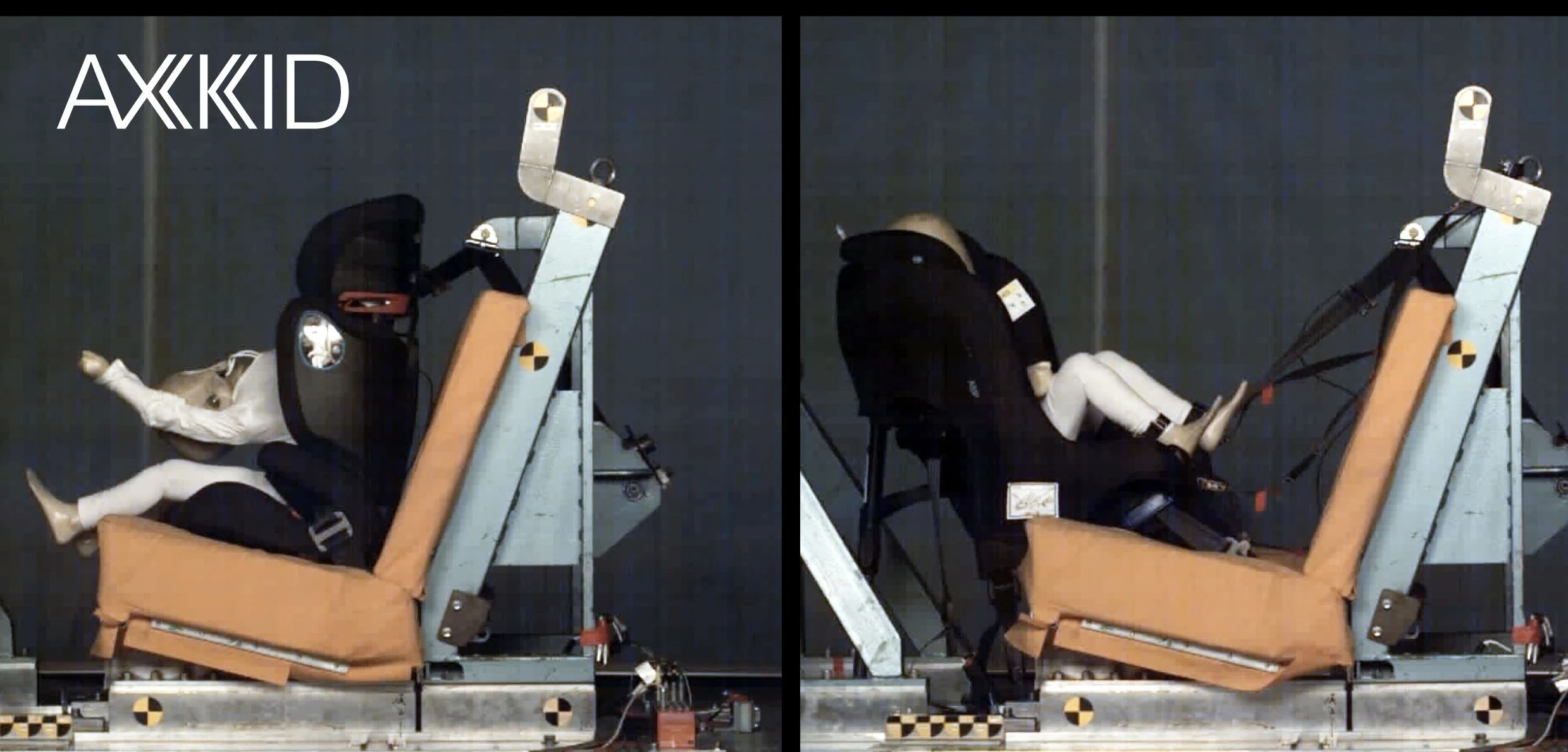
The Swedish Plus Test is widely regarded as one of the world’s most demanding child car seat tests. Conducted by VTI (the Swedish National Road and Transport Research Institute), the test focuses on one of the most important aspects of child safety: the forces exerted on a child’s neck during a frontal collision.
Unlike standard approval tests, the Swedish Plus Test measures neck forces directly using sensors in the crash test dummy. This has made the test an internationally recognised benchmark for rear-facing child car seat safety.
Watch: Inside VTI – Understanding the Swedish Plus Test
In this interview filmed at VTI’s crash laboratory in Linköping, Emily Uddman, Research Engineer at VTI, explains what the Swedish Plus Test measures, why neck forces matter and what makes the test different from standard approval procedures.
One of the most common questions parents ask is which car seats pass the Swedish Plus Test.
The Swedish Plus Test is designed to evaluate neck forces during severe frontal collisions and is widely recognised as one of the most demanding child car seat tests available.
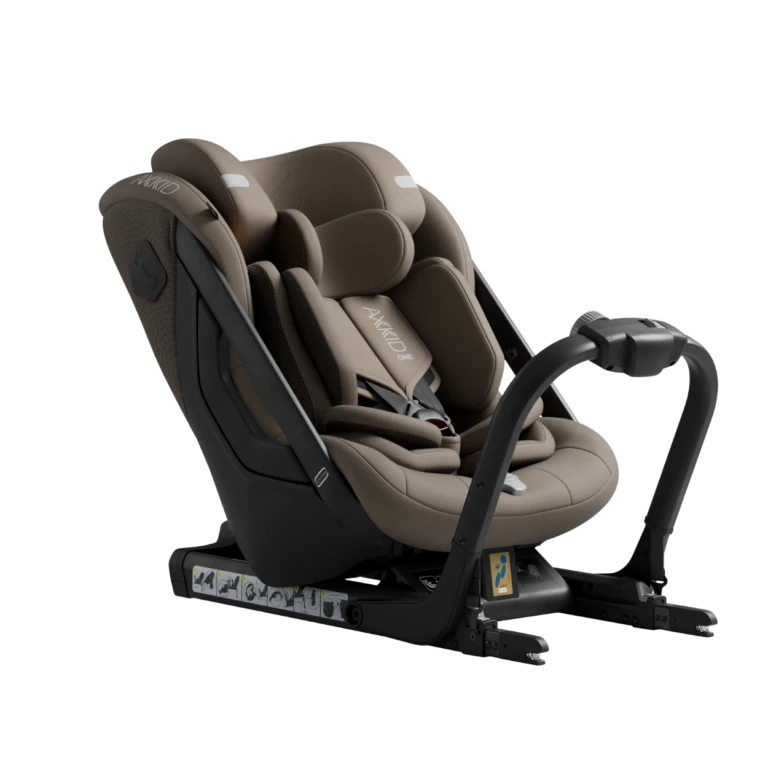
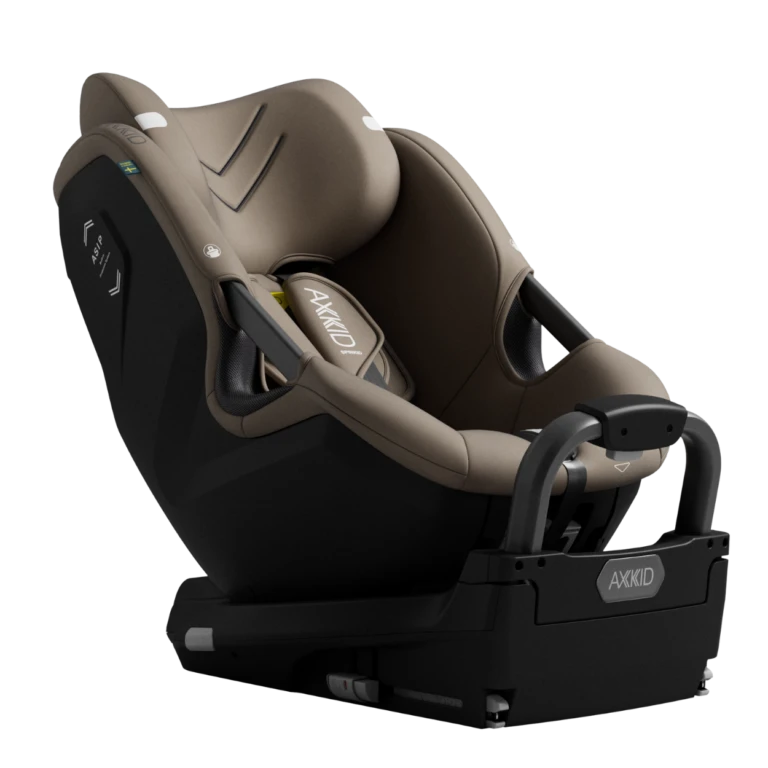
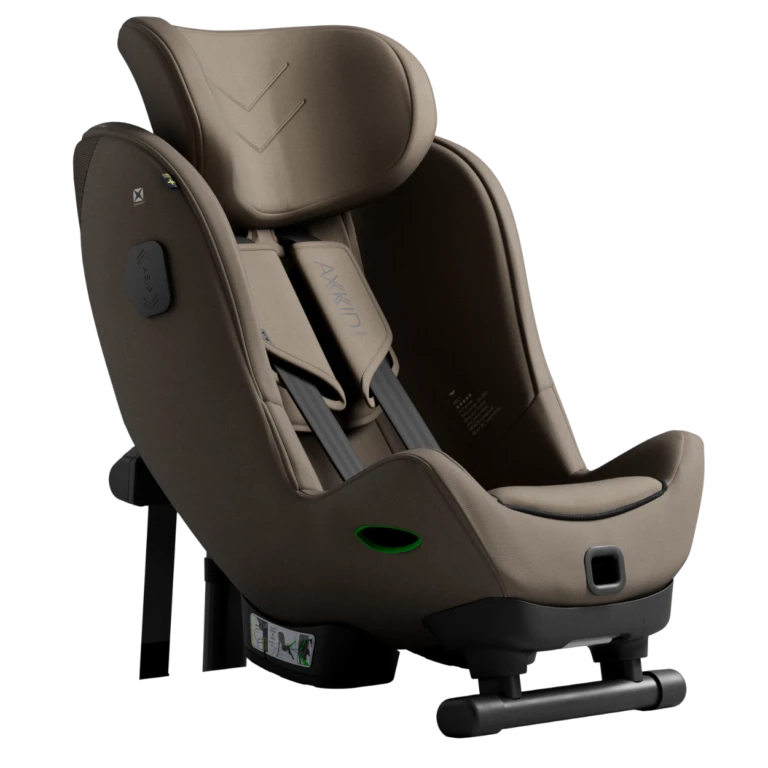
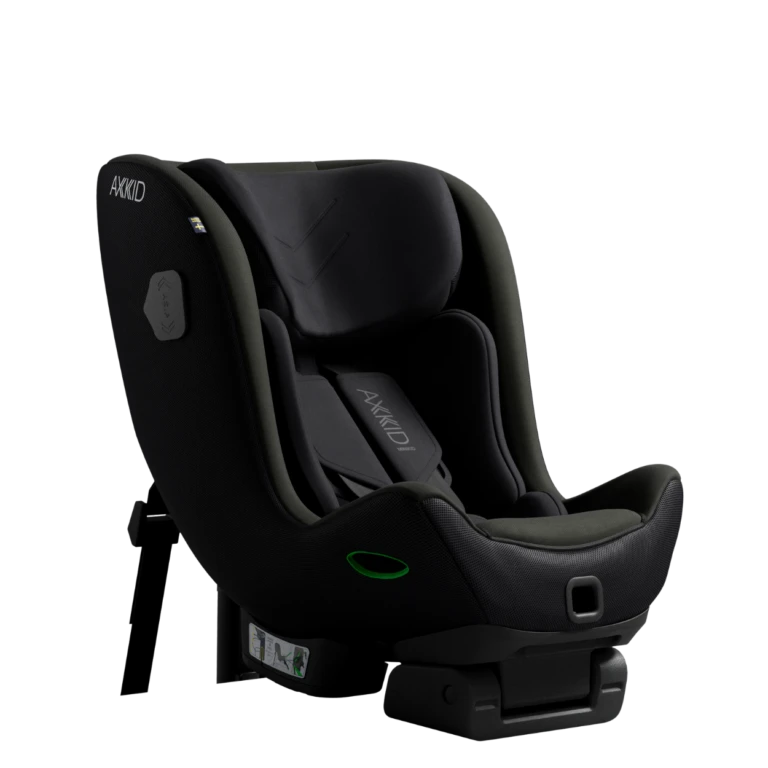
Several Axkid rear-facing car seats have successfully passed the Swedish Plus Test, including:
Minikid 4 Max
Minikid 4 Pro
Minikid Core
Axkid ONE 3
Axkid ONE+ 3
Spinkid 2
Spinkid

1. Higher speed.
Higher speed used during the test, 56 kph compared to the 50 kph speed used by the European approvals, ECE R44 and UN-ECE R129, also known as “i-Size”.
2. Very short braking distance.
Shorter (very short) braking distance, which makes the impact on the car seat much more violent since, the shorter the braking distance, the greater the deceleration and, therefore, the more intense the forces received in the impact.
3. Measure the forces in the crash test dummy’s neck with sensors.
To make the Plus Test even more difficult to pass, not only is a higher speed and shorter braking distance used, but the forces exerted on the neck of the “dummy” are also carefully measured by sensors, which means that the forward-facing car seats will not pass this test due to the forces exerted on the neck are too high.
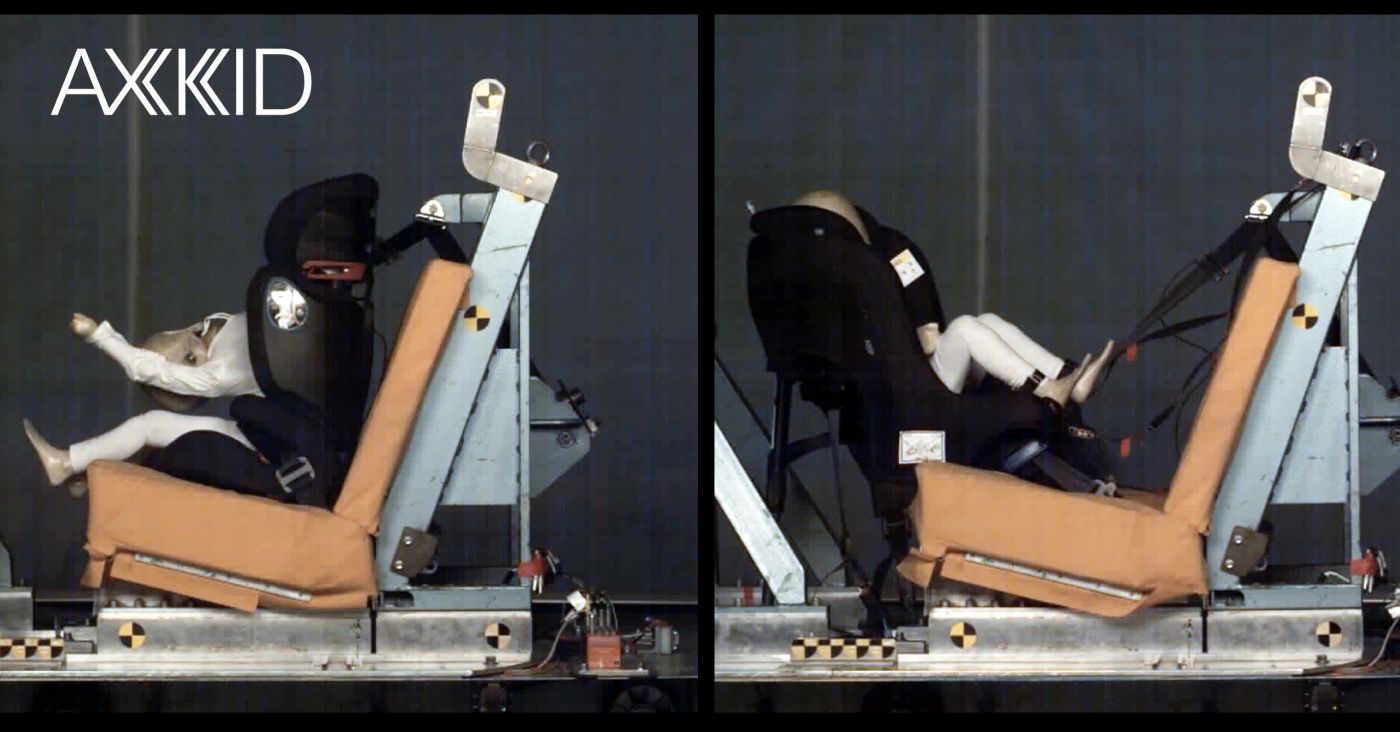
At Axkid, rear-facing safety has always been at the core of our safety philosophy. Swedish research and real-world crash data continue to show that rear-facing travel offers superior protection for young children, particularly in frontal collisions.
Several Axkid rear-facing car seats have successfully passed the Swedish Plus Test, reflecting our commitment to safety beyond minimum requirements.

All car seats approved according to ECE R44 are crash tested and a rear-facing car seat is tested both in a front and rear impact. This means that the rear-facing car seat must be able to withstand both a frontal and rear impact to be approved.
This is unlike the forward-facing car seats that are only required to be tested in front impact to meet the approval, Nextkid is tested in compliance with R129 regulation.
One of the most common questions parents ask is which car seats pass the Swedish Plus Test.
Several Axkid rear-facing car seats have successfully passed the Swedish Plus Test, demonstrating their ability to keep neck forces below the limits established by VTI.