0
Cart
-
Car fit guarantee on every model
-
Free deliveries over 100€*
-
365 day returns
![header one 3 fmg boy in rear facing car seat [desktop]](https://axkid.com/app/uploads/Header_One-3_FMG_Boy-in-rear-facing-car-seat-Mobile.webp)
Feb 2026
Folksam have conducted a study that looks at the toughest data there is: every fatal car crash in Sweden involving a child aged 0–6, across 1992–2024. Based on in-depth crash investigations, it shows how children were restrained, what happened in the impact, and what could have changed the outcome.
Over the period studied, 99 children aged 0–6 died as car occupants in Sweden. In Sweden fatalities have decreased over time, but the material highlights a key issue: many deaths occurred when children were not protected according to recommendations or were not restrained in a proper car seat.
Sweden is a global leader in traffic safety, built on Vision Zero and strict regulations. In our report “Child safety in cars”, we found that 84% of children up to four travel rear-facing, in contrast to the UK where only 22 % of 2-3 years old travel rear-facing. Even with Sweden’s high rear-facing rate (84%), these outcomes still occur. That’s why this study matters: the biggest safety gains are found in the remaining gaps in correct and long rear-facing use.
Real-world data shows that nearly half of all fatal crashes involving toddlers could have had a different outcome.
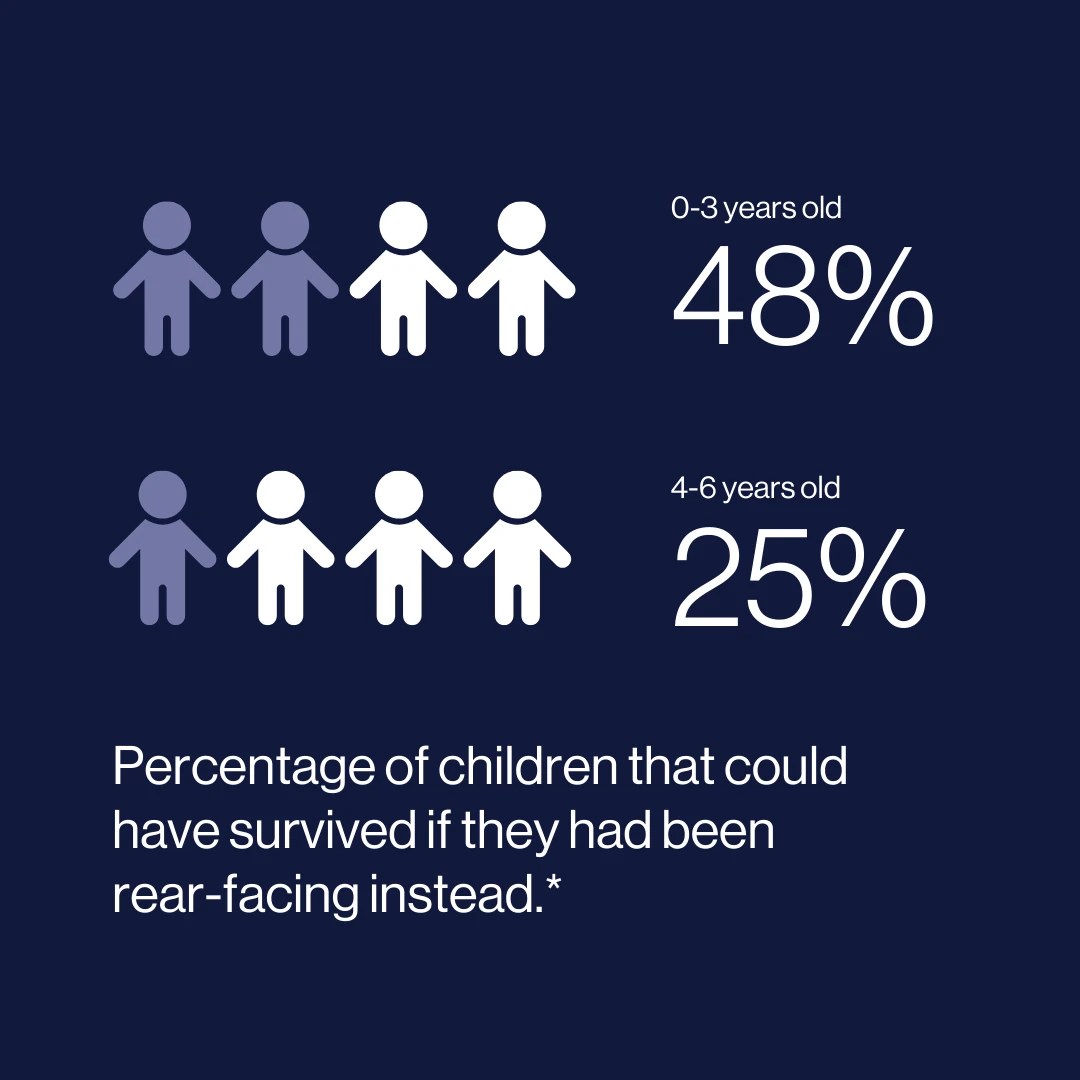
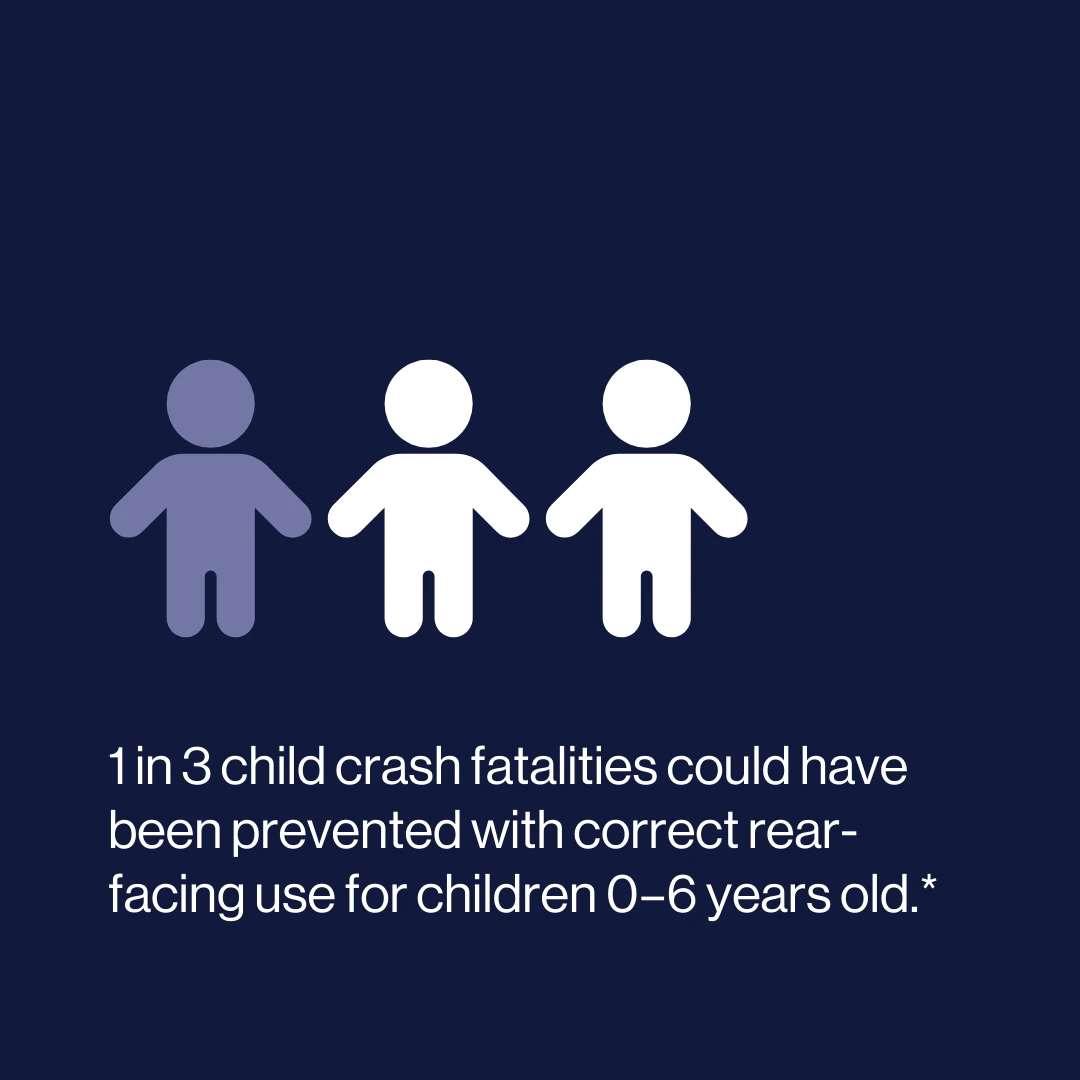
For children aged 0–3, Folksam’s data highlights a clear safety gap in real-world use. Many of the children who died were not travelling rear-facing as recommended, and a significant share were either turned forward too early or not restrained at all
Among children under four who were in a forward-facing seat, Folksam estimates that 12 out of 19 (63%) could have survived if they had been rear-facing instead.
For children aged 4–6 years old, the data is clear: rear-facing wasn’t used in a single fatal case, even though many of these children were still small enough, that rear-facing could have made a difference.
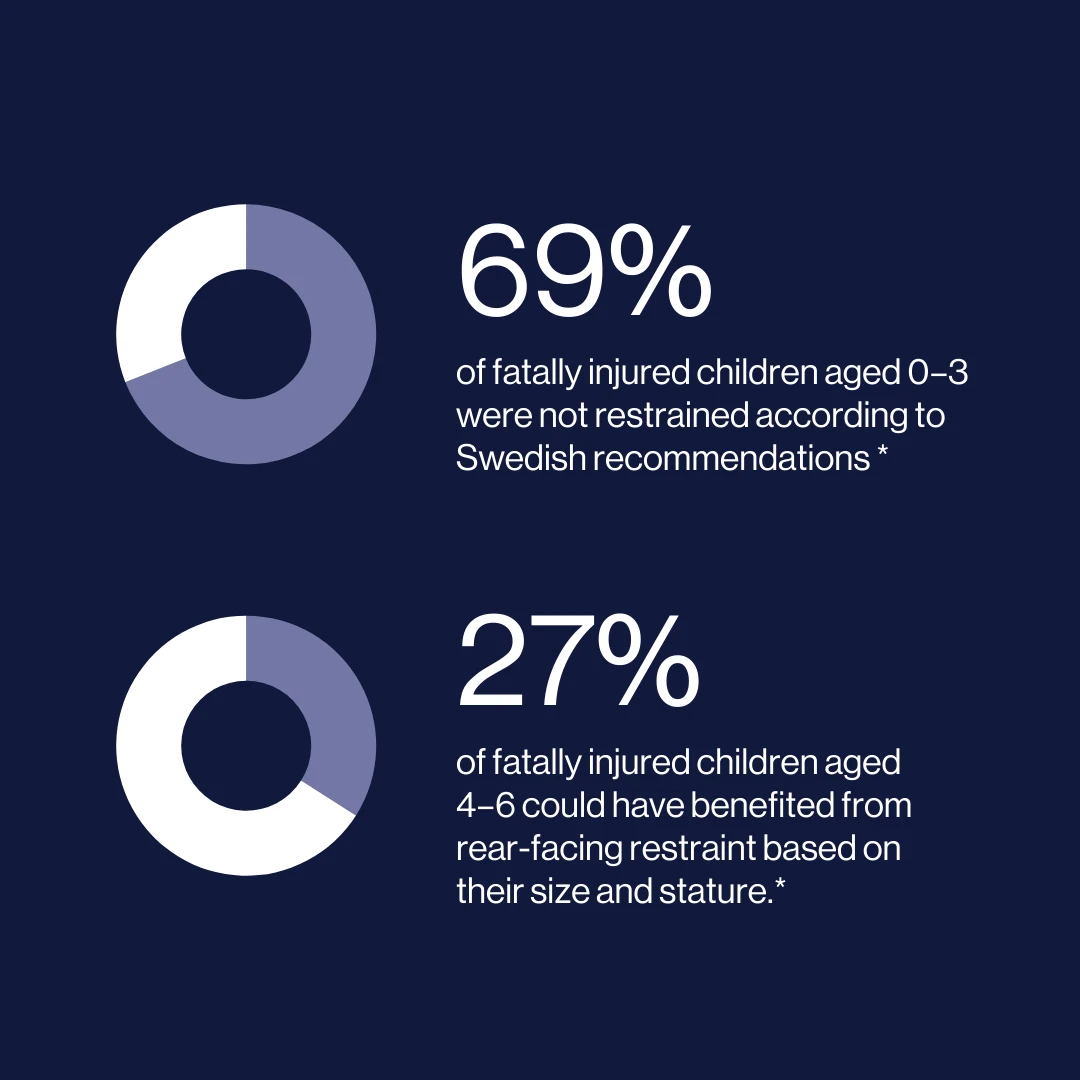
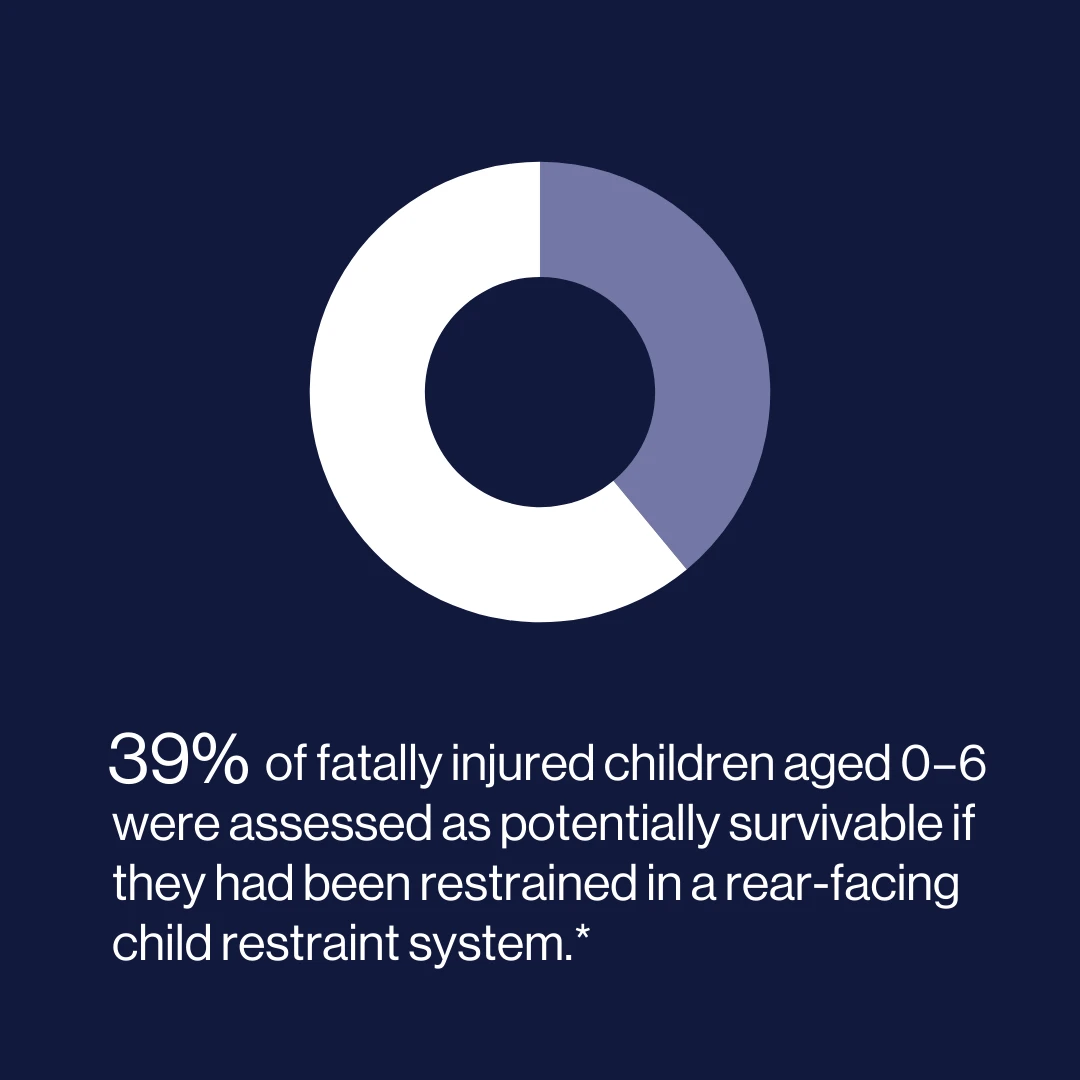
The clearest preventable risk in the material is switching too soon. For small children, rear-facing provides the best support for the head, neck, and spine in the crash types most often linked to severe outcomes.
At Axkid, we recommend rear-facing travel until your child reaches around 125 cm and approximately seven years old, depending on the seat and the child. It’s not about reaching a specific age. It’s about reaching the size and maturity where the body can handle crash forces better.
If you are unsure about when it is time to transition to a forward-facing car seat, see our guidelines here.
Taken together, the findings underline how critical correct restraint use is in protecting young children in car crashes.
![footer boy in rear facing car seat [axkid one 3]](https://axkid.com/app/uploads/Footer_Boy-in-rear-facing-car-seat-Axkid-One-3.png)
We can’t change the past. But the evidence is clear; we can help more children travel rear-facing for longer, and safer.
*Source: olksam. CRS usage in fatal car crashes in Sweden. 2025. Read full report here.